
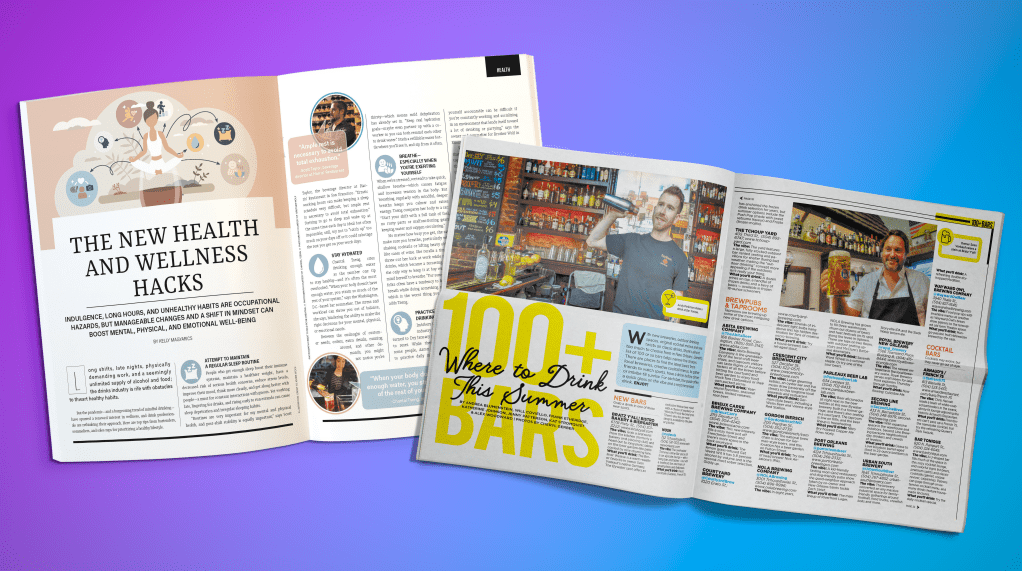
Editorial design has a big impact on how written information is understood. An editorial designer has many things to think about, from typography to layouts to graphics and illustrations. My time in editorial publishing gave me the opportunity to work award winning designs.
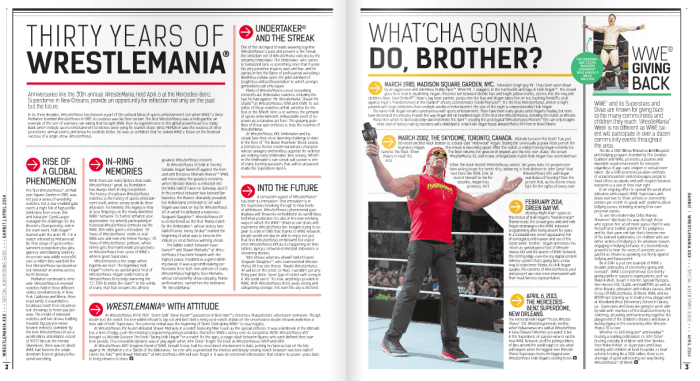
The goal of editorial design is to make publications attractive, visually interesting, and easy to read. Good editorial design is cohesive, clear, and draws readers in.
With my extensive expertise in this subset of graphic design, I have learned (and shared with past design teams) so general tips and guidelines for when it comes to making beautiful and effective editorial design:
- Know and design for your readers – this can refer to the readers of an entire publication, or readers for whom a journalist is specifically targeting. Knowing what will catch your particular audience’s attention is key to success for your design.
- Grid it out – there is no one-grid-fits-all solution, but grids help make fitting in all the information in a limited page count readable, and less chaotic.
- Typographical hierarchy – They right typographic pattern helps to shape the title’s particular voice and appeal to readers. Clear typographic composition, and legible fonts will hold the readers in the story once you’ve caught their attention.
- Pacing – A well-structured editorial/writing plan with section breaks may surely help, enabling the content to breathe and allowing the readers to choose between different articles in the publication. It makes the magazine designs layouts less crowded.
- Consider cross-platform – In this day and age, print isn’t dead but it’s also digital. So when you design editorial for print, you have to keep in mind how it will translate on digital formats.
- Be creative – Be unique with your ideas and create new sources of inspiration. Adding an elegant touch to the great content and headlines, pay attention and give thought to the small details.
 Lyn Vicknair