
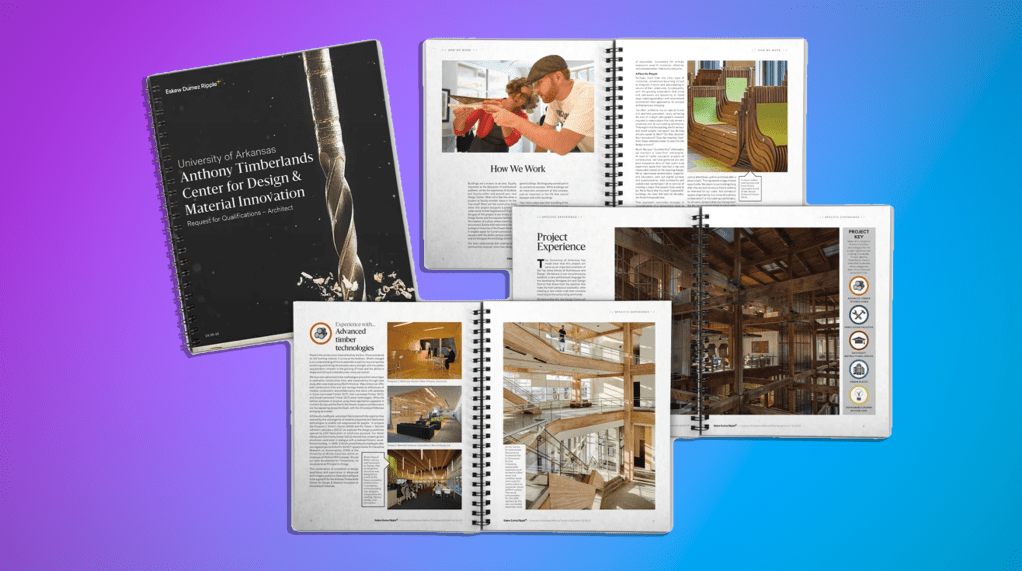
Great proposal design is an often overlooked, yet powerful, tool that can make your company stand out and win more business.
Poorly designed proposals can be confusing, hard to read, cumbersome, and fail to effectively communicate with your client. Your proposal design has to be functional as well as beautiful, or else all you’ve put into your proposal can be easily over-looked in a sea of competition.
The layout, typography, images, and aesthetic of your proposal design all work together to give the reader a sense of who you are, what you can do for them, and why they should hire you.
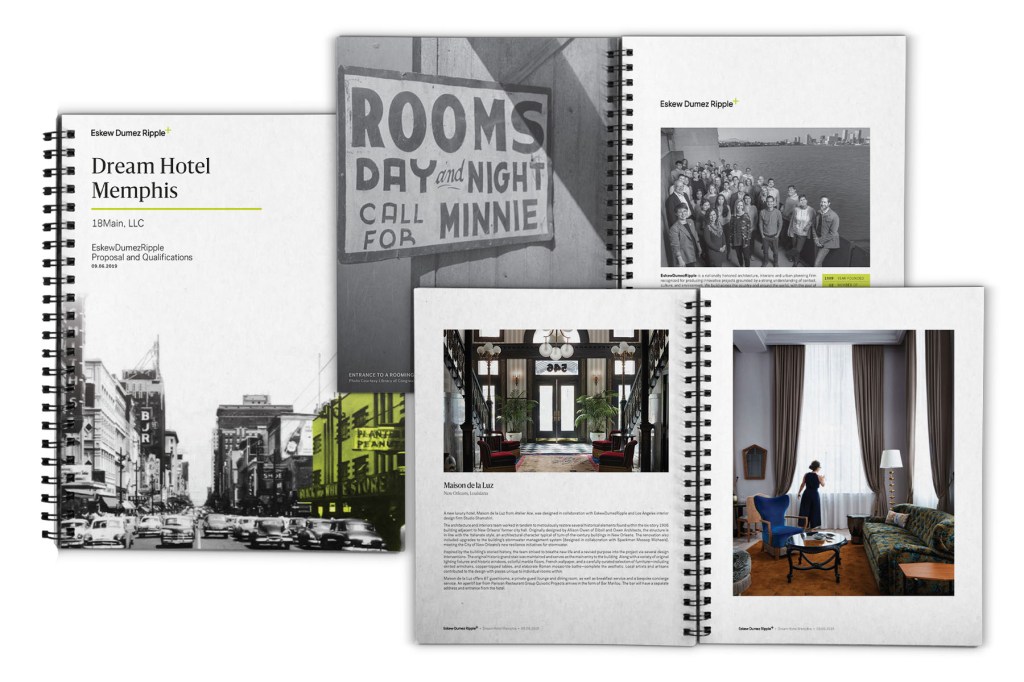
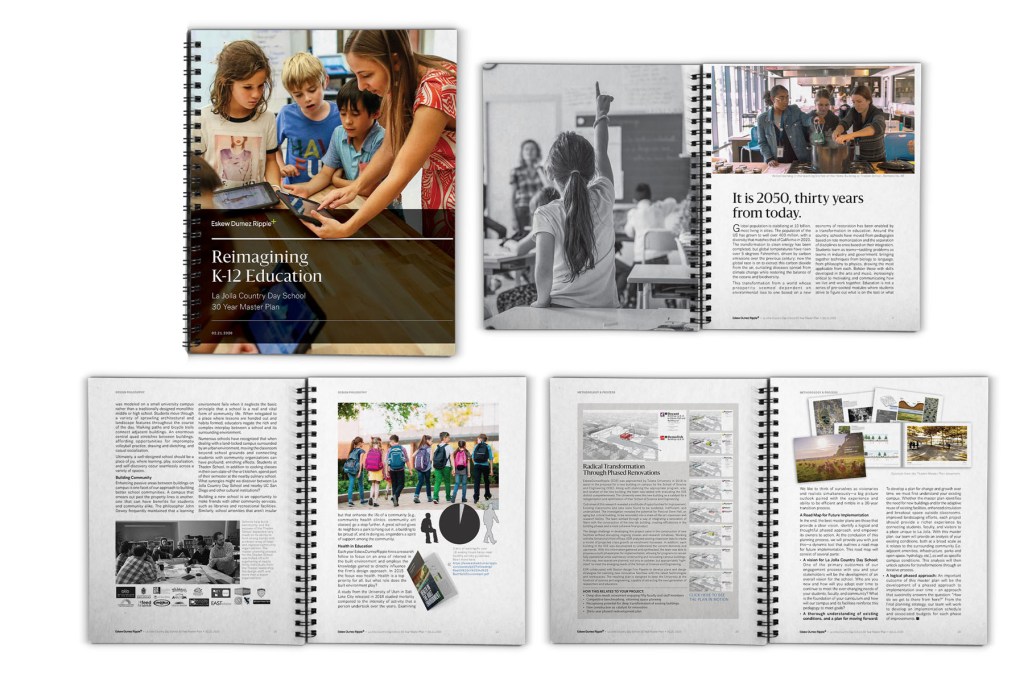
Good proposal design makes you stand out from your competition and communicates your company’s services and differentiation efficiently and clearly. In my experience, these are powerful proposal design elements that, when done correctly, increase your company’s competive wins:
- Follow your brand guidelines. Keep in mind that your brand is more than just your logo. Your brand is your identity as a company and your promise of quality to your clients represented through factors like graphics, imagery, and tone of voice.
- Photography and graphics. By and large, proposals with great images that reinforce your brand’s message and show off your work are more impressive and impactful than those without.
- Copy. I’d be remiss if I didn’t mention that great copy lends itself to great proposal design. It’s important to have a strong copywriter on your team, whether it is in-house or freelance.
- Typography. If you have brand guidelines the question of which typeface to use should already be answered. Find one or two fonts that are easy to read and work with your brand. Keep your headings bold, and make sure you have a comfortable line-height. The easier it is for your clients to read your proposal content, the easier it will be to convince them that your company is the best choice.
- Layout. Finally it’s all about putting all these pieces together effectively and beautifully. Keeping your reader’s attention throughout, telling the story visually in tandem with the copy.
 Lyn Vicknair